Episode Transcript
Josh Thomas: Welcome to Money Trucks, where we share stories and lessons from top home services pros to help you grow your bottom line. My name is Josh Thomas. I'm your host. You can find me on all social media at JTLiterally. Today's podcast is brought you by Books by Truck. It's a profit-focused bookkeeping and accounting firm built specifically for the trades for a flat fee of just $250 per truck. If you run a home services business with one to ten trucks and you or a spouse or family member are handling the books, there's a good chance you might be leaving up to $100,000 or more on the table by underestimating job costs or uncollected accounts receivable or potentially overpayments to the IRS. If that's something that's interesting to you, you can learn more.
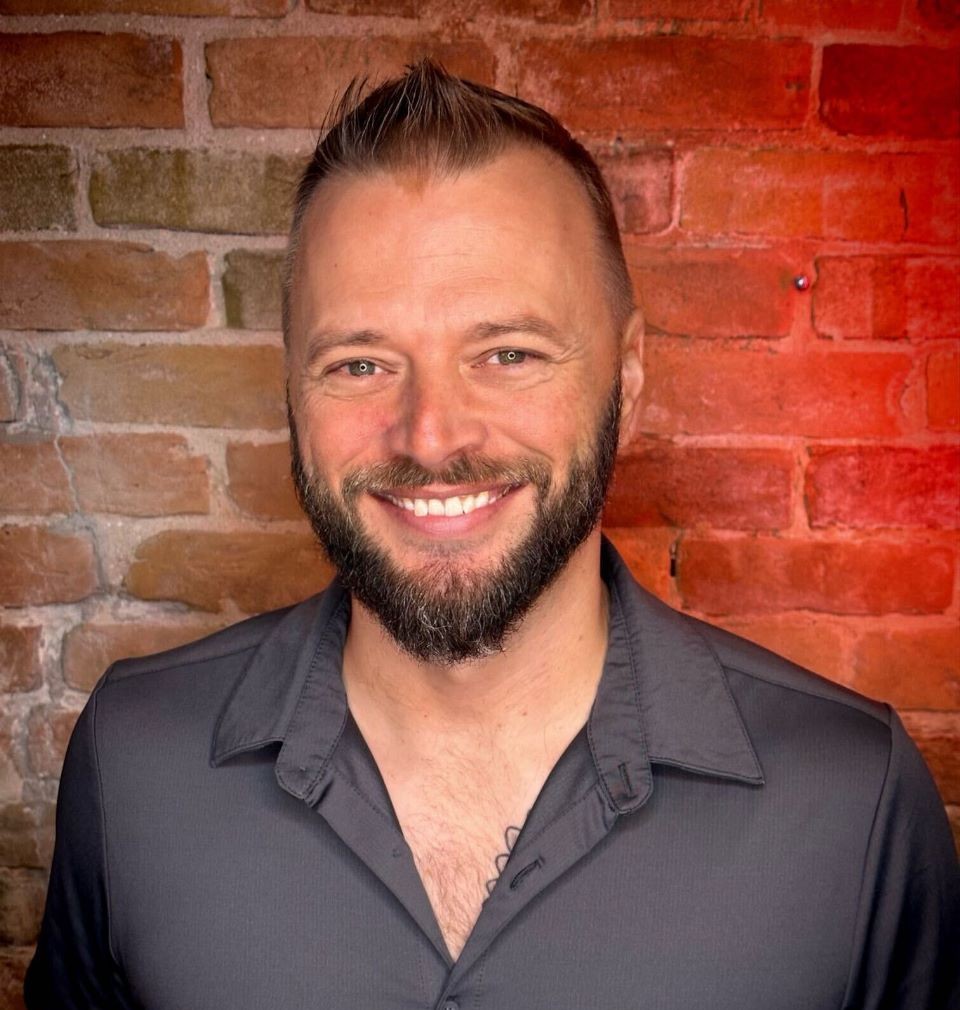
By going to booksbytruck.com. Today's guest is Brian Fuller from 2G Home Solutions, located in the Chicago area. Brian, welcome to the show. In your experience, what has been the single best thing that you've done to grow your home services business? Brian Fuller: Hmm. All right, we're s we're starting off hot. Well, first off, Josh, thanks for having me. you know, it's it's definitely difficult to pick out any one particular thing, but the I think the first thing that jumps to mind would be creating the culture of the company would probably be the single most important thing that we've done in this business. you know, when I'm interviewing
people to come on board as a sales rep into a leadership role. one of the things that I always tell them is that this is a a rep owned company. Okay. I say that because, you know, I started off as a sales rep in this business for eleven years. And the the way I've built this company has been based off of all the things that I loved about being a sales rep, but also and probably more importantly, all the things that I hated about being a sales rep. The culture we've created here is that of a team, of a family. there's not a single person in my organization whose family I haven't met. There's not a single person who hasn't met mine, who hasn't, you know, come out with me and have dinner or lunch or going out for a drink or something in that capacity. you know, we built a culture of transparency here. I think when when hiring and creating an organization, you know, when you work in a commission-based business like we do.
you know, people always want to know where the money's coming from. So creating a system that allows them to see the dollars and cents on their project cost, their commission, how everything is broken down, I think it's helped minimize our turnover rate. I think it has made hiring significantly easier. And the one thing that I've learned from mentors that I've had as a sales rep, as a you know, a mid level manager and all the way through, you know, senior leadership roles, One of the most important things that I learned was that you can't build a strong organization without good people. And I think the way that we retain good people is by creating a culture of success, a culture of fun. you know, my grandfather always told me, If you can't whistle while you work, don't work where you work. So I I think that the single most important thing that I've done in building my organization is creating a culture of family.
Josh Thomas: And you know, there's a couple of things that that you touched on there. One of them is making you know, this this culture under the culture umbrella. One of them is, hey, I wanna make sure you you know you belong here. Well, I wanna make sure you belong here. But I wanna make sure if you do belong here that you know it. That's that's kind of one piece of the umbrella. But another piece of the umbrella that you we're talking about was transparency. You know, telling the truth and being honest. That's what we do with family. Well, with the family we care about. And and so I'm I'm curious about you said one thing that reduced turnover was saying, hey, here's all the money that's coming in and here's where it's going, just so that there's no surprises and nobody nobody thinks something nefarious. Could could you dive into that a little bit more?
Brian Fuller: Yeah, absolutely. I mean here's the thing, you know, for me I've worked at organizations that were, you know, hundred million dollar plus companies. I've worked at organizations that were that lived in that three to seven million dollar range. I mean, I worked at a company who, you know, whose goal was to break three million and you know, if we ever came close, we we celebrated our success, right? but one of the things that I saw that was pretty routine through any organization, regardless of its size, was It was always kind of kept a secret, you know, why my commission would be off from what I originally thought it would be. you know, I know some places have a very structured commission scale, but if something ever went wrong on a job, if you know, I if I was told I I sold the job wrong or you know, I didn't account for X, Y, and Z, you know, that's why your commission is is smaller than what you expected. The one thing that was unanimous across the board was that would
me being a curious person, if I ever said, Hey, can you show me where I went wrong? Can you show me why the job cost was so much higher? You know, it would be a verbal explanation, but I would never be shown anything in writing. Right. So within our CRM, within, you know, our all of the tools that we use as far as, you know, digital aids go and and making sure that we stay organized as a company, you know, my reps have access to see everything. and I know a lot of business owners, especially in this business, are gonna look at me and say, This guy's an absolute lunatic, but Josh Thomas: But but are you though because if you've been doing that at at a actual risk that you know somebody can take that and take it and go somewhere else, but obviously it's worked for you. And so it's like it's like going against the current.
Brian Fuller: The biggest reason that I
Brian Fuller: It has.
Brian Fuller: Correct. I mean, you know, my i if you if you look me up on on social media, my name is Startup Brian. I I've lived in startup culture for my entire professional career and you know, there's one word that you always hear whether you're in, you know, tech or you know, SAS products or whatever the case may be, is you have to be a disruptor, right? If you continue to do the same thing that everybody else is doing, you were just going to be another cog in the machine. There is There's no differentiating factor about you as a whole. So, you know, disruption is definitely something that I focus on in figuring out ways to, you know, stand apart from the rest of my competitors. and I think this is probably one of those ways because, you know, when you have this e you know, ever evolving or ever revolving door, I should say, of of staff, and your tone your turnover is just, you know, sixty percent month over month or year over year.
You know, you're you're constantly playing this game of catch up and constantly playing this game of, you know, getting somewhere to where they need to be to be successful and going through the training process and, you know, investing dollars and cents into these people, both with, you know, whether it be training pay or your time, it's just the risk versus reward factor for me is if transparency is what someone needs to feel comfortable in my organization, why not just give it to them versus playing this This c cat and mouse game of, you know, trying to find new reps who are just going to accept what you give them blindly. So yeah, I I mean it it has it has definitely worked out for us in the long run. So we're you know, it's it's why we'll continue to do it. It's why we'll continue to create a culture of honesty here. And you know, as we continue to grow and scale, I I think it's gonna, you know, pay dividends for us.
Josh Thomas: And and I think that that open transparency of here's everything that's going on, every time that I every time I see like a a a big, great, big gigantic company that's doing a hundred million dollars or something, every time I see them focusing on transparency, like, hey, here's our profit margins, here's the CEO's salary, you know, and here's here's where our expenses are going, here's how you're getting paid. I've never seen a company that openly does that. that's struggling to keep people, that's struggling to create profit. and not being afraid of saying, hey, look, if if we're gonna charge a hundred dollars for something, a thirty of that doll a thirty of those dollars are profit. And that's just how it's set up. Because otherwise it's just not worth it for me to do this. I can go and sit on a beach and, you know, look at the water or something. I've never seen any any company that's like hidden their financial data
or that has not hidden their financial data that that has not been successful. So you definitely have some precedent there. It's really fascinating. And and and I'm curious, looking ahead, you've this has obviously been a great foundation for you. You're you're an industry veteran, you've built a successful business. Now that you have that, what is what's next? What is the next thing that you're looking at? What's the next shift you need to make? Brian Fuller: It's a great question. you know, for for us, I think, you know, we are we're we're still, I'd like to say, in our infancy. we we have a lot of growing left to do. and we we have this conversation all the time is, you know, do we you know ultimately the goal, we we want to scale to be a fifty, seventy five, hundred million dollar organization at some point. But you know, one of the biggest mistakes that I've made in my past with other endeavors is trying to do too much too fast.
I I think the the tortoise and the hare, you know, story really applies to the home services industry as a whole because I've met a lot of guys in this business who, you know, jumped right into, you know, I want to do roofing, I wanna do siding, windows, I wanna do bathrooms, I wanna do flooring, I wanna do concrete. And when you become a jack of all trades and a master of none, I think that allows for very costly mistakes to get made. so I I think to answer the question. My The next step for our company as a whole would probably be integrating a few more verticals as far as product lines are concerned, before eventually taking that next big step into additional locations. I I think from a lot of the successful companies that I've seen grow in scale, having a you know, having a good product offering is important, but I also think that one of the trends that I've seen in this industry as a whole over the last decade is
When people build trust in an organization, they're always going to be that homeowner's go-to call, regardless of what happens. I mean, I could be just a roofer, but if I do such a phenomenal job on that customer's roof, you know, not only am I building a referral network through that customer, but I'm also getting phone calls about, hey, listen, you know, I my my windows need work, my siding needs work, regardless of whether or not we even have it as a product offering, which we do now, but when we first started, we were strictly a roofing company. and as we continue to build that trust with our customer base, we were able to integrate more verticals and more product offerings. and I think a home services company that has the ability to, you know, bring on phenomenal contractors, you know, regardless of where they are in price point, and have that, you know, full home product offering is what can separate us from a lot of our competition. It's
Brian Fuller: It's a very difficult process to manage. I will definitely say that. but again, you know, I I don't want to be just a run-of-the-mill roofing company. I never have, and I don't think I ever will be. you know, last winter we integrated bathroom remodeling into one of our verticals, and this year bathrooms are going to account for almost half of our total net volume. Josh Thomas: Yeah. Yeah.
Brian Fuller: in the midst of roofing, siding, windows, gutters, entry doors, you know, our our newest vertical is almost fifty percent of our total net revenue for this upcoming year. So I think as we continue to grow and scale, you know, creating new strong product offerings, so that we can kind of encompass everything that goes into a home and adding value to the home would probably be the next step. Josh Thomas: makes a lot of sense and so thanks for sharing that and the the audience for this podcast is is very heavily slanted towards other home service providers so you you may not feel like advertising your roofing service in Chicago area but if if you were to share something kind of one last parting piece of wisdom for somebody who may be listening somebody who may be aspiring to get where you are now what would that be?
Brian Fuller: Focus on your people. Treat your people well, they treat you well. you know, one of the things that you know we laugh about a lot is most of my sales reps probably make more money than I do. And I love it. you know, one of the best parts of my week is being able to write a a giant commission check to to one of my sales guys. You know, one of we love being able to pay our crews, you know, a little bit more than what most companies do because they do such phenomenal work. You know, we we work in a a value-based environment. And unfortunately, you know, with the economy being what it is, you know, a lot of people just focus on price, having the, you know, lowest entry to market, the lowest price point. And we've never been that type of organization. But we've had the successes that we do because our crews are paid, their families are eating, they're going on family trips during the winter, they get to go to Disney World if they want. Our sales reps can take vacations. They are making phenomenal money. and everything comes full service.
You know, the the people who are trying to nickel and dime their staff, their installers, their crews, their back of house, their front of house, you know, those are the people that are constantly having to train and retrain. And, you know, at the end of the day, you can't like I said at the very beginning of the interview, it's you can't build an organization without great people. So, I think that would be it. Just treat your people well and they'll treat you well. Josh Thomas: Well said, and where can people go to connect with you if they want to reach out? Brian Fuller: Sure, you can reach me via email at Brian B R I A N at two G Home Solutions, or you can send us a message directly through our website at www.two G Home Solutions dot com.
Josh Thomas: Very well, that'll do it for this episode of Money Trucks. Thanks so much to our guest Brian Fuller for coming on and sharing his wisdom. For those of you who want to reach out to him directly, you can go to his website, 2ghomesolutions.com. Hey, if you run a home services business and you got something that you want to share, head on over to Moneytrucks. I think it's money trucks.net. It says dot com in the script. Sorry about that. We're new. I believe it's moneytrucks.net to apply as a guest, and we'll get you on the schedule as soon as possible. And once again, if If you're running a fleet of several trucks, we could potentially find up to $100,000 in savings just by cleaning up your books for you at a low flat rate of $250 per truck. You can go to booksbytruck.com to set up your free savings audit and find out how much we might be able to save you. Until next time, remember, it's not really about how much comes in. It's not about how much goes out. It's about what you get to keep. See you later.